The fifth fix · Looking like the safe choice
Nobody buys the cheapest $50,000 job. They buy the safest one.
At your ticket, the buyer's real fear isn't overpaying by a few thousand — it's the horror story: the six-month install, the wrong everything, the firm that stopped answering. Brand is just the word for looking like the company where that never happens. It's the reason your quote at $52,000 beats somebody else's at $47,000.


The expensive mismatch
Work that costs a fortune, marketing that looks borrowed.
Between the showroom, the crews, the displays and the craft, you've invested more in doing the work properly than most companies invest in everything. Then the buyer meets you first — as buyers now always do — through a phone screen: three-year-old photos, an Instagram that stops and starts, three locations that look like three different companies. The work whispers “institution.” The internet mumbles “probably fine?” And they shortlist with the internet.
This is also where price pressure actually comes from. Buyers don't haggle because they're cheap. They haggle because nothing they've seen made the number feel settled.
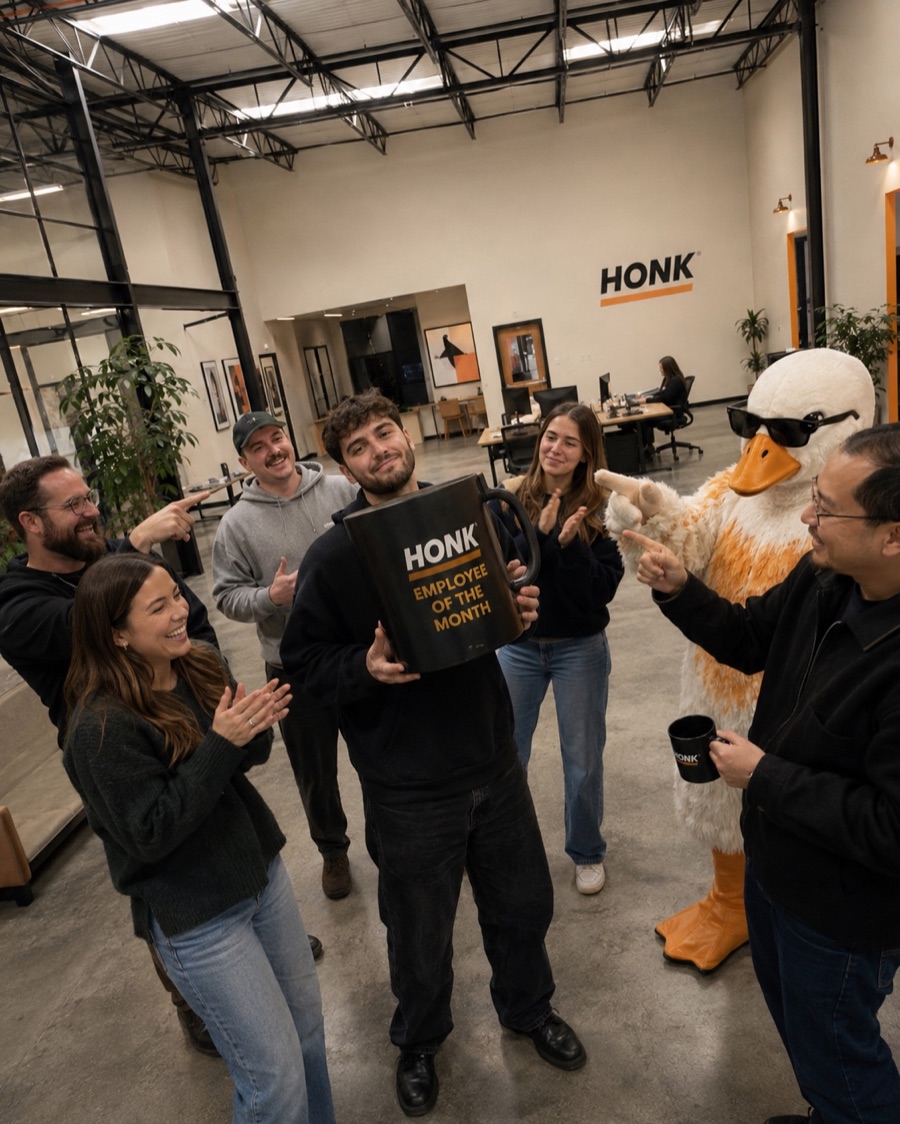 dress for the ticket you want
What we actually do
Make the evidence match the work.
- Photograph the work like it costs what it costs. Real installs, shot properly, every project, every time. At this price point your portfolio isn't content — it's the product demo, and it feeds everything else we run: the ads, the location pages, the follow-up.
- One company, every location, every screen. The same voice, the same look, the same promise from the map pin to the ad to the quote document — so three locations read as one institution instead of three cousins.
- Social as a portfolio with a pulse. Not a posting schedule — a steady public record of finished jobs, happy reveals and people who know their trade. The buyer deliberating for three weeks checks it twice. It should hold.
- Show up where your town actually looks. If that's local radio, sponsorship, the home show — we'll buy it and measure what it feeds into appointments and signed jobs. Channel-agnostic cuts both ways: we won't sell you radio, and we won't snobbishly refuse it either.
Ingredients Brand and identity, photography and video, social, content, radio and local media where warranted, showroom collateral, quote-document design.
Nobody haggles with the safe choice.
What changes
The quiet work that pays everyone else's rent.
Brand shows up in the numbers everywhere except its own line: ads convert cheaper because the name is warm. Reviews and searches compound because finished customers show the work off. Quiet quotes close at a better rate because three weeks of deliberation kept confirming you're the safe choice. And the average ticket drifts up, because a settled number doesn't get haggled.
And a signed, photographed, five-star job is next month's best ad. Every finished job sells the next one.
Is this a rebrand?
We don't have professional photos of our work.
Radio? Seriously?
The brand position
Unmistakable beats tasteful.
Nobody remembers the eleventh beige brochure. They remember the company that looked alive, answered first, and photographed its work like it cost what it costs.

No pitch deck. No retainer talk on call one.
Ready for the next forty signed jobs?
Twenty minutes with a human. Bring leads per month, average job, locations open — you leave knowing what the leak costs and what fixing it is worth, before you've spent a dollar.